Scope note: this is an editorial shortlist method based on public case studies, studio positioning, and visible work samples. Dilate Design did not commission these studios or claim private delivery data.
The shortlist logic
The best identity partner for a lean B2B team is rarely the studio with the loudest portfolio image. The safer partner is the one that can turn a moving brief into a working system: naming assumptions, visual territory, typography, icon logic, sales-deck patterns, product-surface rules, and a handoff package that the internal team can actually use. That is why this list starts with proof and implementation rather than style taste.
For a small team, the expensive failure is not an unattractive launch. It is a beautiful identity that collapses the first time a product marketer needs a webinar graphic, a founder needs an investor deck, or an engineer asks how the UI palette maps to states. A strong partner makes those operational questions visible before the final presentation.
Who belongs on the first call list
Pentagram is the reference point when a team needs deep senior craft and public case-study evidence. The fit is strongest when a company has enough budget and leadership availability to benefit from partner-level thinking. The tradeoff is that a lean team must be clear about scope; a broad consultancy can solve many brand problems, but every additional problem consumes budget and time.
Koto is worth studying when a brand needs contemporary digital energy and a system that can stretch across channels. Its public positioning is useful for teams that want optimism, collaboration, and craft rather than a purely corporate identity exercise. The risk to manage is implementation depth: ask how the studio documents motion, product, and content rules after the launch moment.
COLLINS is a better fit when the brief is less "make us look better" and more "help us reposition." Its programs language is explicitly about brand refresh, expansion, repositioning, and turnaround. That makes it useful for companies whose design issue is tied to category strategy, not just visual inconsistency.
Smaller specialist studios can still beat all three for a narrow assignment. If the need is a founder-led B2B identity, deck system, and website refresh, a focused studio with strong handoff habits may be a better commercial fit than a global name.
Evaluation table
| Partner type | Best fit | Ask before signing |
|---|---|---|
| Global identity consultancy | Repositioning, high-stakes launch, multi-market system | Who owns day-to-day delivery and what artifacts are handed over? |
| Digital-first studio | SaaS, creator, marketplace, or product-led brand | How are product UI, motion, and template rules documented? |
| Specialist B2B studio | Lean team, tight timeline, practical rollout | How much strategy is included before visual work begins? |
| Marketplace package | Logo cleanup or low-risk campaign identity | What rights, revisions, and source files are included? |
What to request in the proposal
Ask for a recent case study with more than launch imagery. You want to see at least one applied system: deck slides, social units, product screens, campaign variants, or guideline pages. Then ask for a sample handoff structure. Folder names, file naming, export formats, font licensing notes, and template ownership matter because they reveal whether the studio expects your team to operate the system or keep returning for every small change.
Revision language is also part of quality. A clear proposal explains where strategy ends, how design directions are narrowed, which stakeholders approve, and what happens when feedback contradicts the brief. Vague "collaboration" language is less useful than a plain timeline with decision points.
Budget and risk signals
Low-cost identity packages are not automatically bad. They can work when the scope is narrow: a simple logo family, a color update, a small guideline PDF, or a one-off campaign identity. They become risky when a team expects naming, messaging, website art direction, sales decks, and brand governance from the same package.
High retainers are only justified when the partner reduces strategic ambiguity and implementation debt. If a proposal spends heavily on discovery but says little about final files, license transfer, or template maintenance, the team may be paying for a presentation rather than an operating system.
Decision rule
Choose the partner who makes tradeoffs visible. A useful identity proposal says what will be solved, what will remain internal, which artifacts are final, and which parts require future work. For lean teams, that clarity is more valuable than a style route that wins the first meeting but leaves the next quarter of production unresolved.
Internal next steps: compare this with the Figma vs Canva workflow guide, the font licensing checklist, and the template marketplace shortlist before signing a partner that depends on downstream tools.
Procurement workflow for lean teams
Run the first conversation like a delivery audit, not a taste review. Send the same short brief to each partner: current positioning, target buyer, launch date, internal owner, required deliverables, and the channels where the identity must work. Ask each studio to respond with the decisions they would need before design starts. A thoughtful response usually identifies audience ambiguity, naming constraints, content gaps, product-surface needs, and stakeholder risks before showing any visual language.
The second meeting should cover artifacts. Ask what the final package includes: logo files, type guidance, color values, motion rules, deck templates, social templates, icon rules, image direction, usage examples, and ownership language. A lean team should not accept a proposal that describes "brand guidelines" without showing what level of detail those guidelines contain. A two-page PDF and a maintainable system are very different deliverables.
Red flags before signing
Be cautious when a partner promises a full system but cannot explain how decisions are narrowed. Also watch for proposals where all examples are launch visuals and none show internal maintenance. If the studio cannot discuss licensing, font ownership, third-party assets, template handoff, and post-launch governance, the project may produce attractive work that your team cannot operate.
The safest partner may not be the largest or smallest option. It is the one that gives you a clear owner, a clear review cadence, clear handoff artifacts, and a clear way to adapt the identity after the first launch.
Agency references checked for this shortlist
This shortlist favors visible identity work, strategic process, handoff discipline, and portfolio depth over name recognition alone. The entries below are the explicit image-backed options used in the article. Each referenced option has a local image, a public source URL, and a practical reason to include or skip it.
| Option | Best use | Main caution |
|---|---|---|
| Pentagram | best for teams that need senior identity judgment, deep case-study evidence, and high-stakes brand architecture | usually too heavyweight when a startup only needs a fast logo refresh or narrow landing-page identity pass |
| Koto | best for technology, culture, and growth companies that want energetic identity systems with campaign range | scope must be managed tightly if the team needs only practical production assets |
| COLLINS | best for repositioning, transformation programs, and brand systems that need a strong narrative spine | not the cheapest route for teams that have already solved strategy and only need execution templates |
Pentagram
Pentagram is included because best for teams that need senior identity judgment, deep case-study evidence, and high-stakes brand architecture. The image above is stored locally and tied to the public source page used for this review: https://www.pentagram.com/.
The main caution is that usually too heavyweight when a startup only needs a fast logo refresh or narrow landing-page identity pass. For content-ops review, this means the article should treat Pentagram as a specific evaluated option, not as a throwaway example. If the product or agency appears in a shortlist, comparison, or buying recommendation, the page needs a visible asset record and a source trail.
Koto
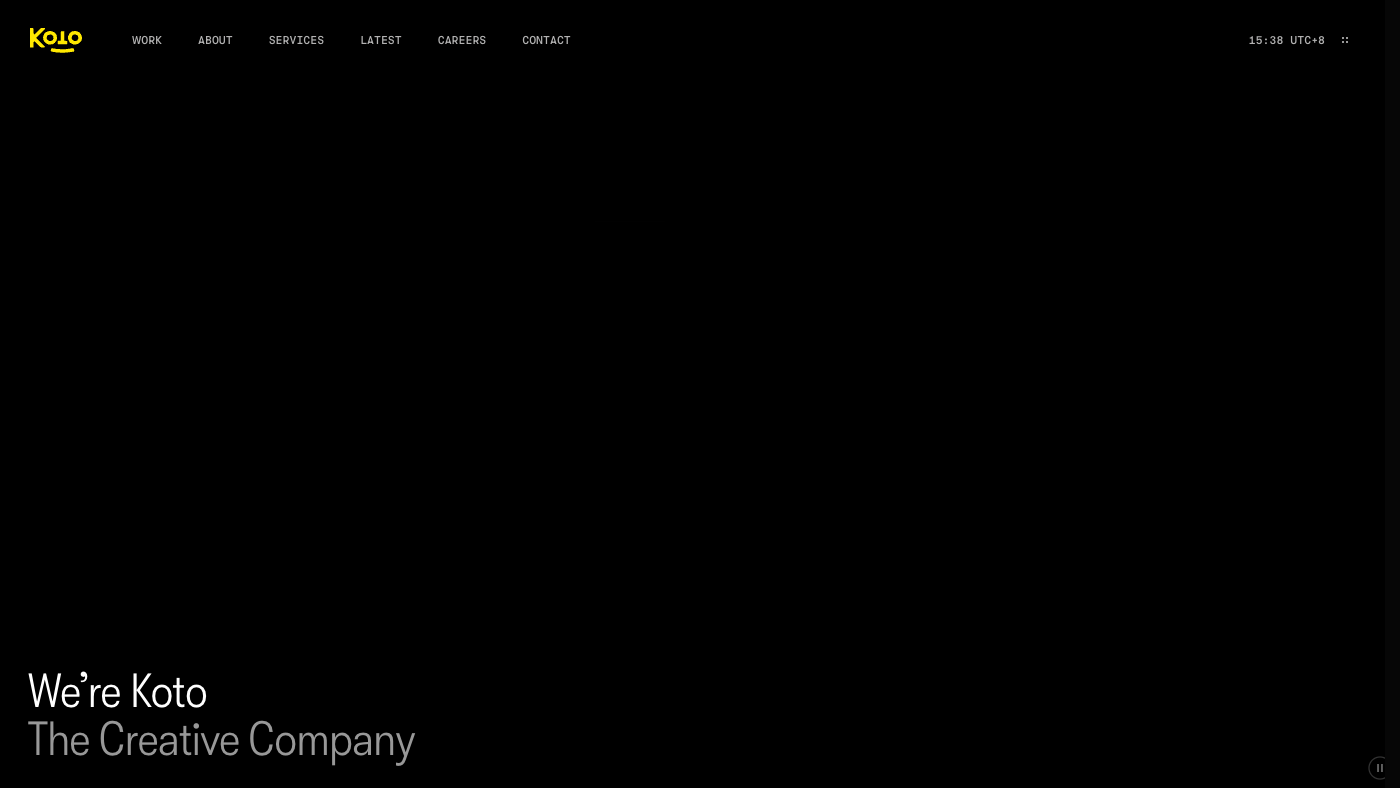
Koto is included because best for technology, culture, and growth companies that want energetic identity systems with campaign range. The image above is stored locally and tied to the public source page used for this review: https://koto.studio/.
The main caution is that scope must be managed tightly if the team needs only practical production assets. For content-ops review, this means the article should treat Koto as a specific evaluated option, not as a throwaway example. If the product or agency appears in a shortlist, comparison, or buying recommendation, the page needs a visible asset record and a source trail.
COLLINS
COLLINS is included because best for repositioning, transformation programs, and brand systems that need a strong narrative spine. The image above is stored locally and tied to the public source page used for this review: https://www.wearecollins.com/.
The main caution is that not the cheapest route for teams that have already solved strategy and only need execution templates. For content-ops review, this means the article should treat COLLINS as a specific evaluated option, not as a throwaway example. If the product or agency appears in a shortlist, comparison, or buying recommendation, the page needs a visible asset record and a source trail.
Editorial scoring model
This review uses five checks: portfolio evidence, strategic clarity, revision structure, handoff assets, fit with lean stakeholder time. The criteria are intentionally operational. A visually strong resource can still be a poor recommendation if the license is unclear, the file structure is hard to maintain, or the team cannot repeat the workflow without a designer repairing every output.
For a B2B team that needs a credible identity partner without turning procurement into a six-month agency search, the best choice is the one that reduces review cycles while preserving brand control. That means the article weighs source evidence, product or portfolio clarity, handoff quality, and recurring workflow fit. It does not assume that a bigger library, a famous studio, or a lower monthly price is automatically better.
Price and plan details should be checked on the linked official pages before purchase because SaaS packaging and marketplace licenses change. The recommendation here is based on public product positioning, visible documentation, and editorial fit at the time of review, not private testing or negotiated enterprise terms.
Operational notes
Lean teams should not buy identity work as a beauty contest. The better question is whether the partner can translate messy founder preferences, sales objections, product positioning, and hiring needs into a system the company can actually use. A beautiful concept without handoff files creates another bottleneck.
Buyer discipline
Ask each studio for a comparable process example: kickoff structure, stakeholder interviews, strategy output, rounds, design exploration, final guidelines, and launch support. The answer matters more than a polished credentials deck because it shows how the studio handles ambiguity before design starts.
Field test
For budget control, narrow the ask. A full identity system, website art direction, motion toolkit, brand voice, launch campaign, and product UI pass are different projects. A lean buyer can still work with a top studio by defining what must be solved now and what can become a later phase.
Procurement and rollout workflow
Start with a written use case. Name the output, owner, deadline, approval path, and channels where the asset or service will appear. That single paragraph prevents vague buying: the team is no longer asking whether a tool is good in general, it is asking whether the tool solves a real production job.
Next, save the evidence. Keep the source URL, downloaded image or screenshot, license page, pricing page, and a note about why the option was considered. For design resources, this record is as important as the final recommendation because rights and file provenance often become questions months later.
Then run a small production test. Build one real asset, deck, campaign frame, or handoff package. Ask the reviewer to score output quality, editing friction, brand consistency, and compliance confidence. If the answer depends on heroic manual cleanup, the option is not ready for broad adoption.
Finally, set a review date. Subscriptions need renewal checks; agency relationships need phase gates; fonts and templates need usage audits; and design tools need owner reviews when the brand system changes.
Risk register
The first risk is overbuying. A large catalog, famous studio, or polished template can make the team feel safer while creating more assets to govern. The fix is a narrow acceptance test: identify the exact job the option must perform and reject anything that cannot show value there.
The second risk is license drift. Files move from experiments into production, contractors reuse assets, and teams forget which plan or license covered the original download. Keep a license archive beside the working files, not in a separate inbox. Include the receipt, source URL, image file, and a short allowed-use note.
The third risk is brand drift. Tools that help non-designers move faster also help them create off-system work faster. Templates, brand kits, and agency handoffs need named owners. Without ownership, the approved system decays into duplicated files and local exceptions.
The fourth risk is stale evidence. Public product pages and pricing pages change. Revisit the linked sources before a renewal, a new client use, or a major campaign launch.
Final recommendation
Start with three structured discovery calls, ask for comparable handoff examples, and choose the studio whose process reduces internal decision churn rather than the one with the loudest case study.
The practical decision rule is simple: choose the option that makes the next production cycle clearer. If the team can explain the use case, confirm the rights, produce the asset, and hand it off without hidden cleanup, the choice is defensible. If the choice only looks attractive because the preview is polished or the deal is urgent, keep it out of the standard workflow.
Internal next steps: compare Figma vs Canva, template marketplaces, font licensing checklist, mockup and asset libraries, and design subscription deal checks when the decision touches more than one part of the creative stack.