

Design & Creative Review Index

Critical picks for brand systems, studios, and design tools.

Dilate Design ranks creative platforms, studio services, templates, typography resources, and visual systems using sourced research, local imagery, and clear fit notes.

10Published research articles
5Editorial route types
11Local visual assets
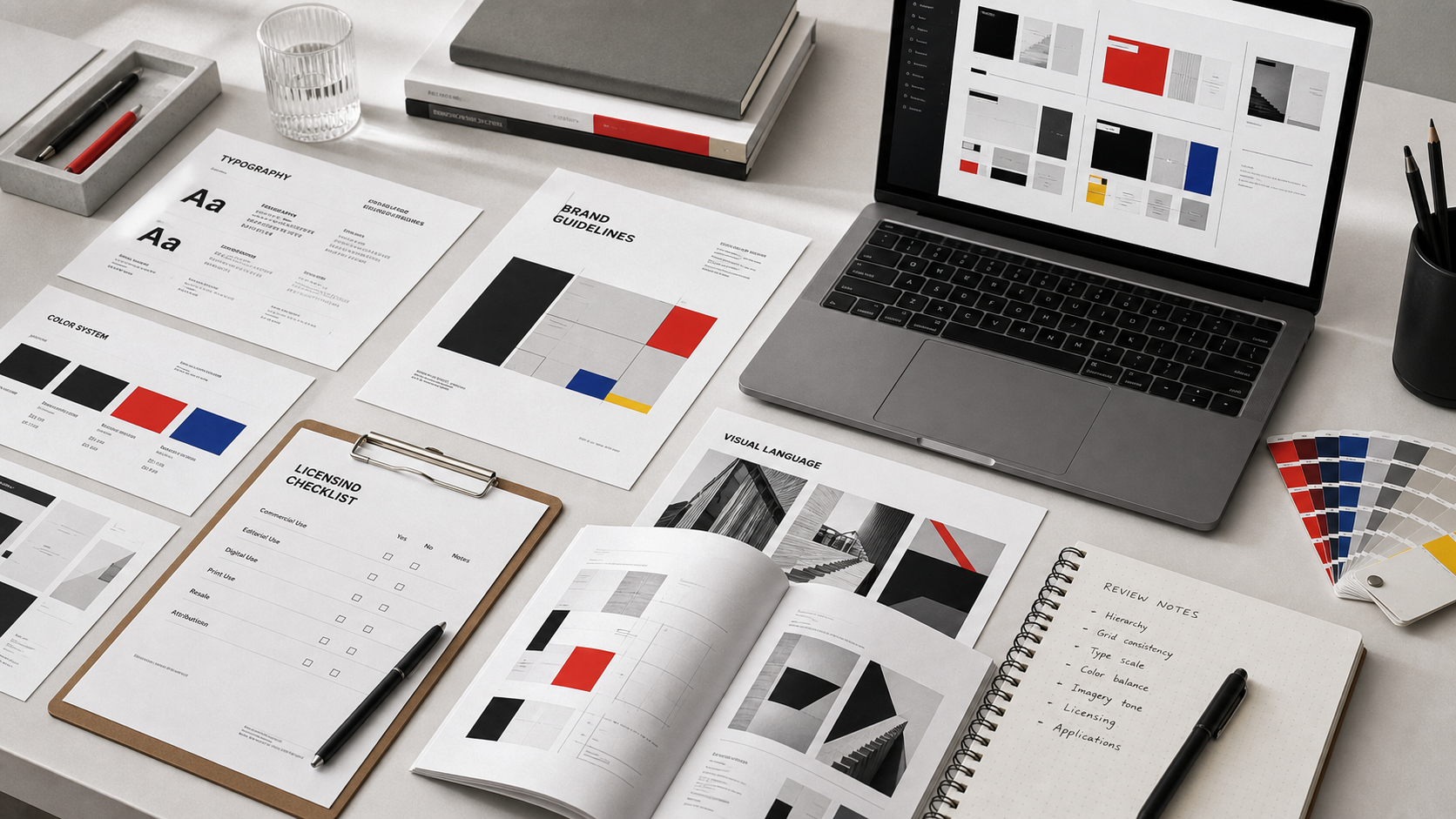
Dilate Design editorial desk with brand guidelines, typography, licensing notes, and design review materials

Signal Board

Separate visual taste from operational fit.

The homepage leads with category judgement: studio fit, brand-system maturity, output speed, asset licensing, pricing clarity, and creative stack compatibility.

Current Reviews

Wide cards with visible work, not anonymous coupons.

The feed can support studios, tools, templates, marketplaces, fonts, and brand-system resources while keeping a consistent design critique rhythm.

Decision Routes

Formal routes stay available on every page.

Brand Directory

Brands directory with a dominant main lane.

A wide comparison lane keeps scan density high; the rail carries filters, latest changes, and deal entry points.

Review Layout

Review article with a wide editorial body.

Content pages use a broad reading surface for tables, images, criteria, and verdicts; the side rail stays secondary.

Review / Brand Systems

How to choose a design source when the workflow is still moving.

Design review materials for a Dilate Design content page

A useful design review starts with constraints: timeline, internal ownership, content maturity, handoff tooling, and how much discovery the team can afford.

Dilate Design articles keep sources, local images, and verdicts specific, so a reader can compare studio services, template systems, and design tools without reducing everything to price.

The content lane remains wide enough for comparison tables, screenshots, score cards, and related articles without collapsing into a narrow blog column.