Scope note: this review is based on Adobe's public Express pages and help documentation. It does not claim private enterprise testing or negotiated plan details.
Where Adobe Express fits
Adobe Express is best understood as a fast creative production layer. It is not a replacement for a full design system in Figma, and it is not always the broadest template workspace compared with Canva. Its advantage is proximity to Adobe's creative ecosystem: Adobe Fonts, Adobe Stock, Creative Cloud libraries, and familiar Adobe brand logic.
For a small team already paying for Adobe tools, that proximity matters. Express can be the place where approved colors, fonts, logos, and templates become practical social posts, flyers, simple videos, and campaign assets.
Brand kit value
Adobe's public Brand Kit page emphasizes quick setup and Premium access to Brand Kits, templates, Adobe Stock assets, Adobe Fonts, and Resize. The help documentation also shows that a brand can be created manually or extracted from an upload. That makes Express useful when a team needs to move from raw brand ingredients to production-ready templates quickly.
The risk is treating speed as governance. A brand kit is not a brand strategy. Someone still needs to decide which templates are approved, which assets can be changed, and how often the kit is reviewed.
Best use cases
Adobe Express is a good fit for founder-led marketing teams, solo operators with Adobe subscriptions, and designers who need to support non-designers without opening every request in Photoshop or Illustrator. It is especially useful for recurring assets: event graphics, recruiting posts, thumbnails, one-page flyers, quick decks, and campaign variants.
It is a weaker fit when the team needs component-level UI design, advanced layout systems, or deep collaboration around unresolved design decisions. In those cases, Express should come after the source system, not before it.
Comparison table
| Choice | Better for | Watch out for |
|---|---|---|
| Adobe Express | Adobe-adjacent branded production | Template governance and plan inclusion |
| Canva | Non-designer production at broad scale | Template sprawl and off-brand edits |
| Figma | System design and product collaboration | Too much control for simple campaign production |
Buying notes
Before upgrading, check whether Premium is already included with an existing Creative Cloud plan. Also verify asset rights for Adobe Stock and fonts in the specific channel you plan to use. A social post, flyer, client asset, logo, and template can carry different practical obligations.
Verdict
Adobe Express is strongest when the brand direction is already known and the team needs fast, tidy production. It deserves a place in the stack when Adobe assets are already central. It should not be used to avoid the harder work of defining the brand system first.
Internal next steps: compare Figma vs Canva, presentation systems, and font licensing before turning Express into the main production layer.
Setup sequence
Adobe Express is most useful after the brand ingredients are already decided. Start with a small kit: logo variations, approved colors, type choices, a few image rules, and the most common output sizes. Then create templates for actual recurring jobs rather than every possible channel. A focused kit is easier for non-designers to use and easier for a brand owner to maintain.
If the team also uses Photoshop, Illustrator, InDesign, or Creative Cloud libraries, decide which assets are source files and which are production templates. Express should not become the only place where the brand exists. It should translate the system into faster, safer outputs.
Fit against Canva
Canva may be better when the team wants the widest non-designer workspace and many prebuilt formats. Adobe Express may be better when the team already pays for Adobe access or relies on Adobe Fonts and Adobe Stock. The difference is not only features; it is operational fit. The tool your team already understands can be more valuable than the one with the largest template library.
Risks to manage
The main risk is uncontrolled template growth. If every campaign creates new templates without review, Express becomes another asset drawer. Keep an approved set, archive campaign-specific work, and review brand assets when the core identity changes.
Team rollout checklist
Start with one business unit, not the whole company. Give that group a small set of approved templates and ask them to produce real assets for two weeks. Track what they change, where they get stuck, and which brand rules are unclear. Those friction points are more useful than a feature comparison because they show whether Express can carry the team's real production habits.
Decide which parts of the brand kit are locked and which are flexible. Logos, primary colors, and type rules should be stable. Campaign imagery, secondary layouts, and copy blocks can have more room. If every field is editable, the system does not protect the brand. If nothing is editable, users will leave the tool and make their own files.
Who should skip Adobe Express
Skip Express as the primary tool if the organization needs deep approval workflows, complex product UI design, or a heavily customized enterprise DAM. It can still be useful as an output layer, but the source of truth may need to live elsewhere. Also skip a paid upgrade if the team already has a functioning Canva workspace and no Adobe-specific asset advantage. Switching tools without a workflow reason creates retraining cost without solving governance.
Refresh cadence
Review the kit whenever the brand system changes and at least quarterly during active campaign periods. Remove old templates, archive one-off campaign files, and check whether Adobe's current plan includes the features the team depends on. The tool is only as strong as the kit owner behind it.
Final decision test
Before making Adobe Express a standard tool, ask one practical question: can a non-designer produce a usable on-brand asset without asking a designer to repair it? If the answer is yes, Express has earned a role. If the answer is no, the team should improve the kit or keep the workflow closer to the design owner. The tool is valuable only when it converts brand rules into repeatable output.
Platform images checked for this review
Adobe Express is being judged as a production layer, not as a full design-system source of truth. The entries below are the explicit image-backed options used in the article. Each referenced option has a local image, a public source URL, and a practical reason to include or skip it.
| Option | Best use | Main caution |
|---|---|---|
| Adobe Express | best when an Adobe-oriented team needs fast branded social, flyer, one-page, and lightweight campaign output | weak when the team expects component design, deep approval routing, or a replacement for a formal design system |
| Canva Brand Kit | best when non-designers need a broad workspace with many formats, folders, and repeatable brand controls | can become noisy when every team creates its own templates without an owner |
| Figma Professional | best as the source environment for product UI, components, design systems, and collaborative review | too much control for simple campaign resizing and everyday marketing production |
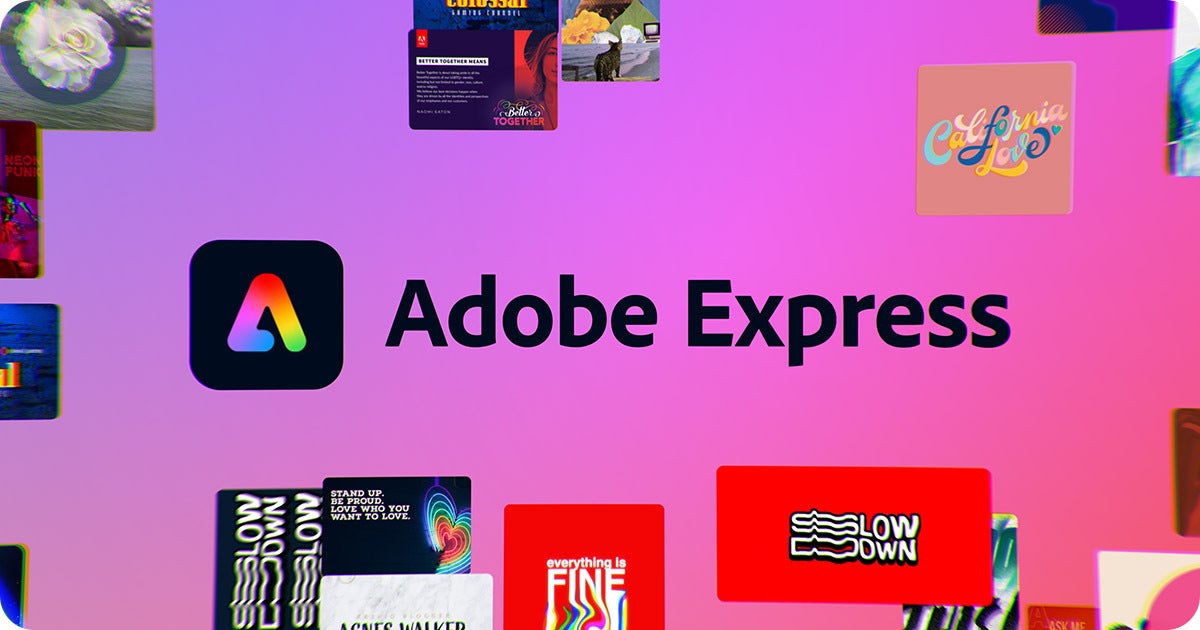
Adobe Express
Adobe Express is included because best when an Adobe-oriented team needs fast branded social, flyer, one-page, and lightweight campaign output. The image above is stored locally and tied to the public source page used for this review: https://www.adobe.com/express/create/brand-kit.
The main caution is that weak when the team expects component design, deep approval routing, or a replacement for a formal design system. For content-ops review, this means the article should treat Adobe Express as a specific evaluated option, not as a throwaway example. If the product or agency appears in a shortlist, comparison, or buying recommendation, the page needs a visible asset record and a source trail.
Canva Brand Kit
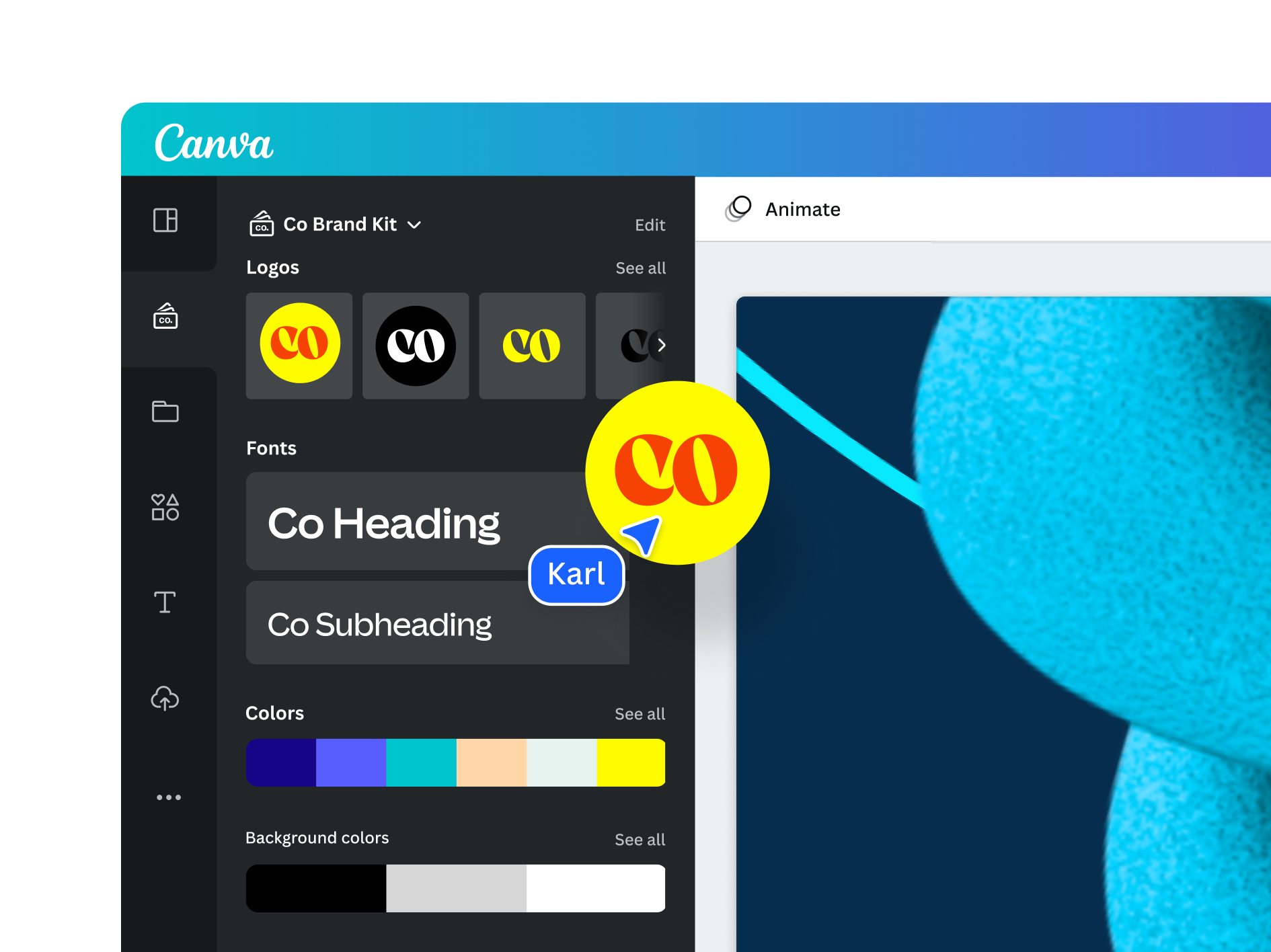
Canva Brand Kit is included because best when non-designers need a broad workspace with many formats, folders, and repeatable brand controls. The image above is stored locally and tied to the public source page used for this review: https://www.canva.com/pro/brand-kit/.
The main caution is that can become noisy when every team creates its own templates without an owner. For content-ops review, this means the article should treat Canva Brand Kit as a specific evaluated option, not as a throwaway example. If the product or agency appears in a shortlist, comparison, or buying recommendation, the page needs a visible asset record and a source trail.
Figma Professional

Figma Professional is included because best as the source environment for product UI, components, design systems, and collaborative review. The image above is stored locally and tied to the public source page used for this review: https://www.figma.com/professional/.
The main caution is that too much control for simple campaign resizing and everyday marketing production. For content-ops review, this means the article should treat Figma Professional as a specific evaluated option, not as a throwaway example. If the product or agency appears in a shortlist, comparison, or buying recommendation, the page needs a visible asset record and a source trail.
Editorial scoring model
This review uses five checks: brand kit setup, template control, asset-rights clarity, handoff from design to marketing, fit with existing Adobe subscriptions. The criteria are intentionally operational. A visually strong resource can still be a poor recommendation if the license is unclear, the file structure is hard to maintain, or the team cannot repeat the workflow without a designer repairing every output.
For a lean marketing team already paying for Adobe tools but trying to reduce design bottlenecks, the best choice is the one that reduces review cycles while preserving brand control. That means the article weighs source evidence, product or portfolio clarity, handoff quality, and recurring workflow fit. It does not assume that a bigger library, a famous studio, or a lower monthly price is automatically better.
Price and plan details should be checked on the linked official pages before purchase because SaaS packaging and marketplace licenses change. The recommendation here is based on public product positioning, visible documentation, and editorial fit at the time of review, not private testing or negotiated enterprise terms.
Operational notes
A practical Adobe Express rollout starts with ownership. The design owner should define the brand kit and the production owner should document which templates can be edited. Without that split, Express becomes a fast way to create inconsistent work. With it, the tool can remove repetitive requests from designers while keeping brand decisions visible.
Buyer discipline
The price conversation should happen after the workflow conversation. A cheap Premium seat is poor value if every output still needs designer repair. A higher plan can be justified when it reduces repetitive resizing, keeps brand assets in one place, and gives non-designers a controlled path to publish. Buyers should check Adobe current pricing, plan inclusion, and stock/font rights at checkout rather than assuming old plan terms still apply.
Field test
The strongest test is a real campaign. Give one marketer a locked template, one flexible template, and one blank format. Ask them to create a social post, flyer, and thumbnail without design help. If the review pass is mostly copy edits, Express is doing its job. If the designer has to rebuild hierarchy, spacing, and type scale, the kit is not ready.
Procurement and rollout workflow
Start with a written use case. Name the output, owner, deadline, approval path, and channels where the asset or service will appear. That single paragraph prevents vague buying: the team is no longer asking whether a tool is good in general, it is asking whether the tool solves a real production job.
Next, save the evidence. Keep the source URL, downloaded image or screenshot, license page, pricing page, and a note about why the option was considered. For design resources, this record is as important as the final recommendation because rights and file provenance often become questions months later.
Then run a small production test. Build one real asset, deck, campaign frame, or handoff package. Ask the reviewer to score output quality, editing friction, brand consistency, and compliance confidence. If the answer depends on heroic manual cleanup, the option is not ready for broad adoption.
Finally, set a review date. Subscriptions need renewal checks; agency relationships need phase gates; fonts and templates need usage audits; and design tools need owner reviews when the brand system changes.
Risk register
The first risk is overbuying. A large catalog, famous studio, or polished template can make the team feel safer while creating more assets to govern. The fix is a narrow acceptance test: identify the exact job the option must perform and reject anything that cannot show value there.
The second risk is license drift. Files move from experiments into production, contractors reuse assets, and teams forget which plan or license covered the original download. Keep a license archive beside the working files, not in a separate inbox. Include the receipt, source URL, image file, and a short allowed-use note.
The third risk is brand drift. Tools that help non-designers move faster also help them create off-system work faster. Templates, brand kits, and agency handoffs need named owners. Without ownership, the approved system decays into duplicated files and local exceptions.
The fourth risk is stale evidence. Public product pages and pricing pages change. Revisit the linked sources before a renewal, a new client use, or a major campaign launch.
Final recommendation
Use Adobe Express when Adobe assets and brand ownership already exist; choose Canva for broader non-designer scale; keep Figma as the source of truth for product and system design.
The practical decision rule is simple: choose the option that makes the next production cycle clearer. If the team can explain the use case, confirm the rights, produce the asset, and hand it off without hidden cleanup, the choice is defensible. If the choice only looks attractive because the preview is polished or the deal is urgent, keep it out of the standard workflow.
Internal next steps: compare Figma vs Canva, template marketplaces, font licensing checklist, mockup and asset libraries, and design subscription deal checks when the decision touches more than one part of the creative stack.